Why the 2026 development race shows F1 teams are operating at a level never seen before
The 2026 development race will continue to be a significant factor in determining the F1 pecking order, with McLaren's Andrea Stella believing F1 is operating at a level that has never been seen before.
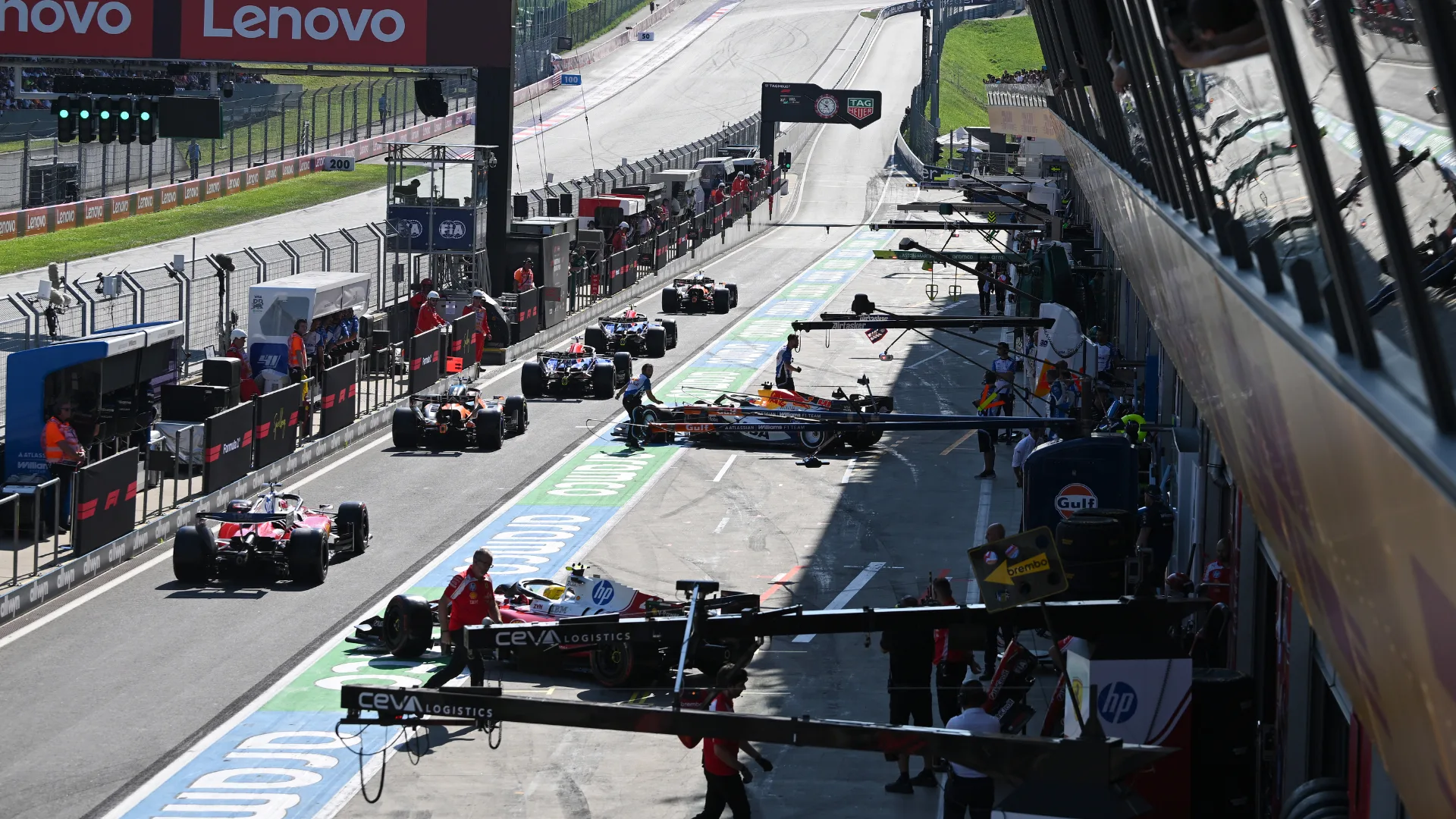
In recent years the FIA’s Friday list of aerodynamic upgrade submissions for each team has given us a useful insight into the pace of development in Formula 1.
Over the past few weeks it has been packed with information on upgrades up and down the pit lane, with the obvious exception of Aston Martin, pending the major package that is due around the summer break.
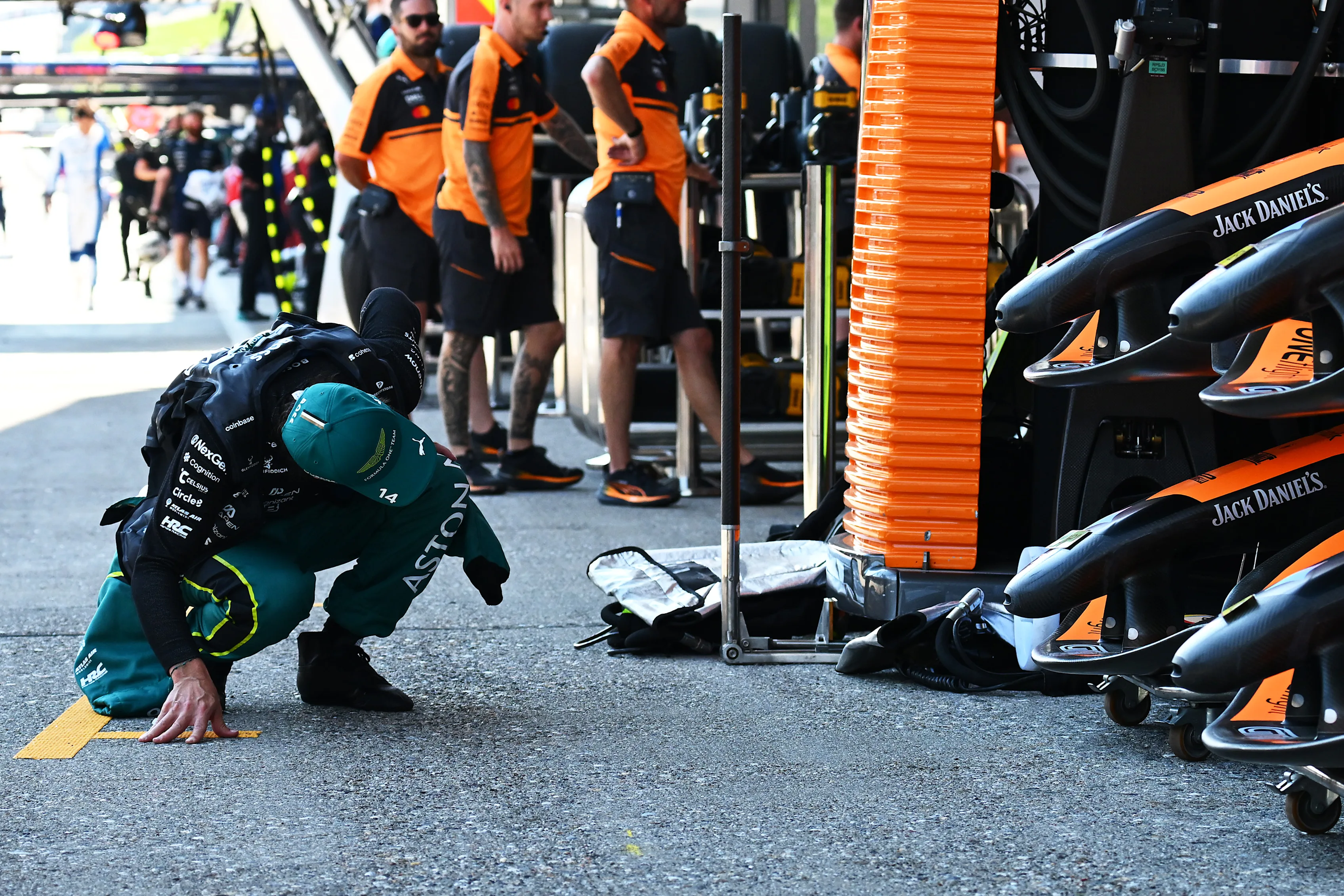
Indeed, on Thursday in Austria, Fernando Alonso put a focus on the relentless development race when asked about Aston Martin's strategy of waiting for one big hit.
“Apparently there is no money to bring upgrades, unlimited upgrades like the other teams do,” he said. “Which is surprising to see the FIA page on Friday every race, because maybe they have the money machine [set] in the minus one in the factory.”
Alonso is not alone in acknowledging that, despite the constraints of the cost cap, this year teams are bringing an unprecedented wave of new parts.
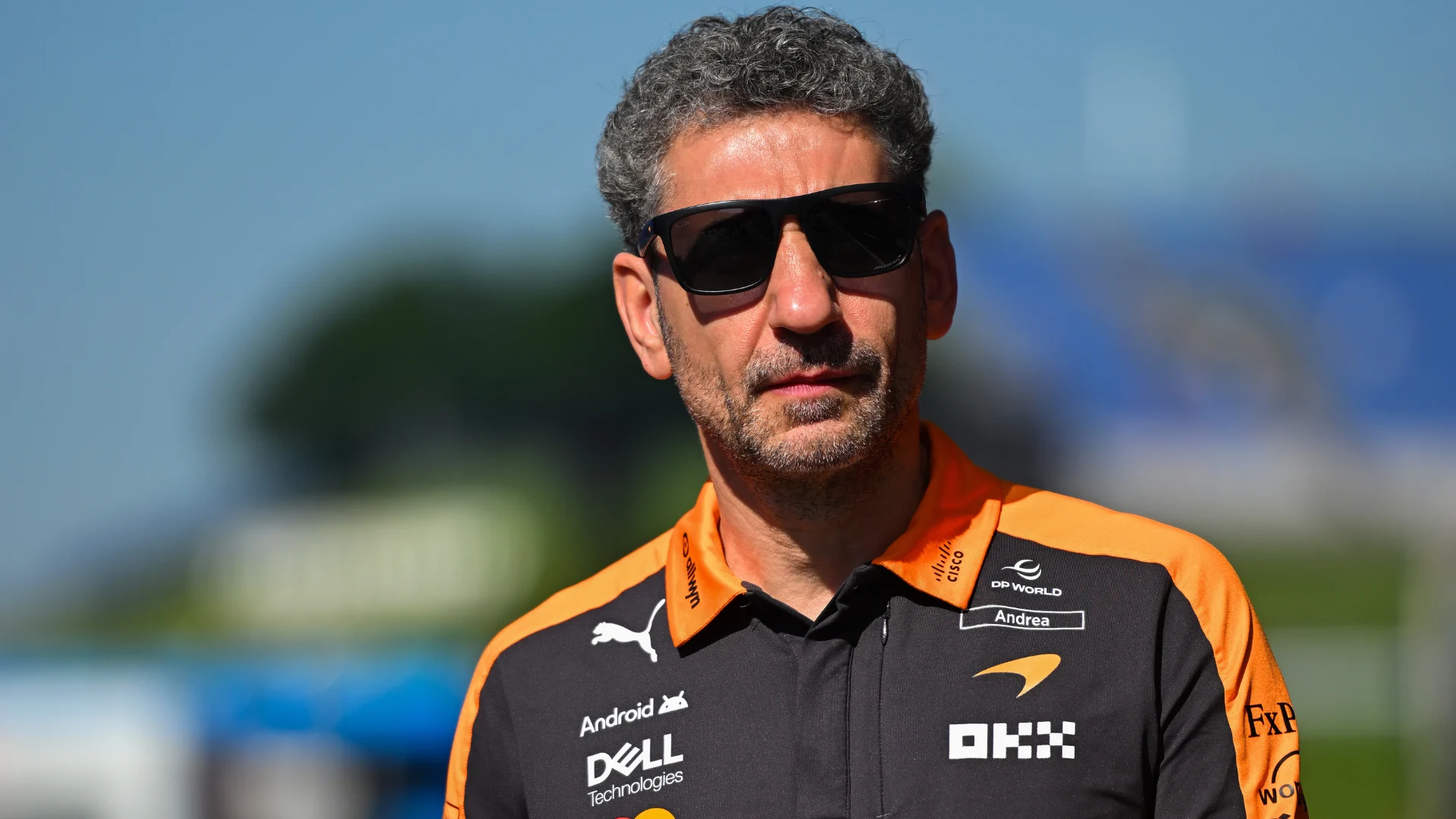
That is something McLaren Team Principal Andrea Stella emphasised, with the Italian stressing that the pecking order changes on a race-by-race basis as one or another of the top teams plays its latest cards.
“One general observation I will share is that unlike the regulations in previous years, this year the competitiveness pattern seems to be quite consistent by pretty much every circuit, every condition,” he said after Qualifying in Austria.
“Mercedes is the fastest car. Ferrari, Red Bull, and McLaren follow, and in this group of three cars, then the upgrades are what make the difference.
“And we have seen that with the upgrades that Ferrari have taken, plus the engine upgrade that they have here, they just made a step forward. Red Bull upgrades here, quite impressive in terms of volume of upgrades, and here they were faster than McLaren.
“So it's a race of upgrades, a consistent pattern from a competitiveness point of view, and I think this sets for us the usual requirement and demand in terms of bringing our own upgrades.
“We didn't have anything too significant for this event, so we slip a little bit behind. We should start having something slightly more consistent for the few races coming, and we will see there if we can give a bit of a turnaround to our season and close the gap."
F1 at a 'level that has never been the case before'
Stella also agrees that we’ve never experienced such a concerted push from teams to get new parts to the track.
“I think what we see in 2026 is a Formula 1 operating at a level that has never been the case before," he added. "Cadillac probably at this circuit was the car that was most significantly upgraded. Actually, the lap times were more competitive.
“If we see the upgrades that Red Bull did, they are quite voluminous, as I said before. So the overall gain, in terms of pure performance development, but also performance delivery to track, is to a higher level than I've ever seen before.
“These are the conversations we are having internally and we need to make sure that at McLaren we can, if possible, out develop and out deliver our competitors, and this will allow us to close the gap.”
The big question now is how long can each of the teams continue to bring upgrades, given the cost cap?
With the rules not changing most of the development work for the 2026 car can carry over into 2027. However, there could come a point where teams know they have something that can add performance immediately, but they can’t afford to actually produce it and bring it to the track within this season.
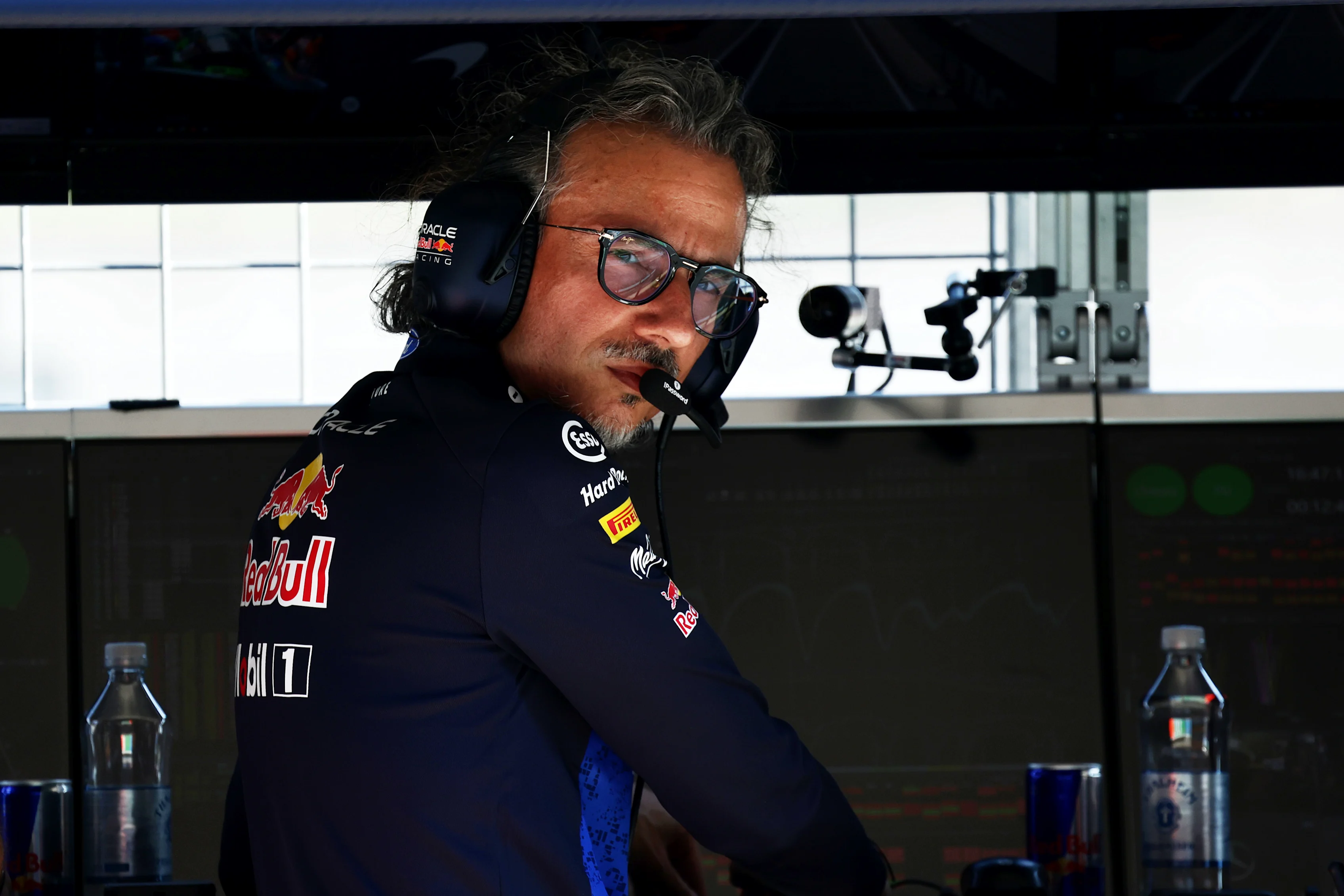
Red Bull Team Principal Laurent Mekies admits that the Milton Keynes has front-loaded its development programme.
“We’ve decided to make the big push as early as we could from an engineering and engineering resource perspective,” he said on Friday. “So yes, we have invested a large amount of our development capabilities to try to diminish that gap as early as we could.
“We would like to hope that things will slow down for certainly most of the top teams in the second part, but we may have some surprises. We are very large organisations now, very different structures.
“So let’s see who is investing early on next year, who is investing a bit more this year, and who has managed to somehow unlock a bit more capacity. And yes, it will be a player.
“You have seen how much the pecking order is anyhow changing with the timing of the updates. It’s still a moment where we all find a lot of performance, and it’s quite difficult to say to yourself, ‘We leave it there because we are limited by the cap or by next year’s challenges.’ But that’s the same equation for all of us.”
However further down the grid it can be even tougher, as Williams boss James Vowles explained: “There was a lack of investment for 20 years and a cost cap means that actually what I am doing underneath is investing a tremendous amount not on car parts, but on basic systems, processes, fundamentals.
“And it’s in that sense there are difficulties in the cost cap, and I feel the pain every day. So, it’s incredibly hard to stay in it, because we have a continuous fight between what we need to be investing and we have to invest to move up the grid long-term through all of those systems.”
Next Up
Related Articles
 BettingMexico City Grand Prix betting guide and latest odds
 UnlockedThe single lap that cost Leclerc a shot at victory in Austin
 UnlockedWhy Alonso seems as hungry as ever 20 years on from his last title
 BettingWhy F1 fans should avoid emotional bets in Austin
 BettingOur final predictions and latest United States GP odds
 OFFICIAL GRID: Who starts where for the United States Grand Prix